
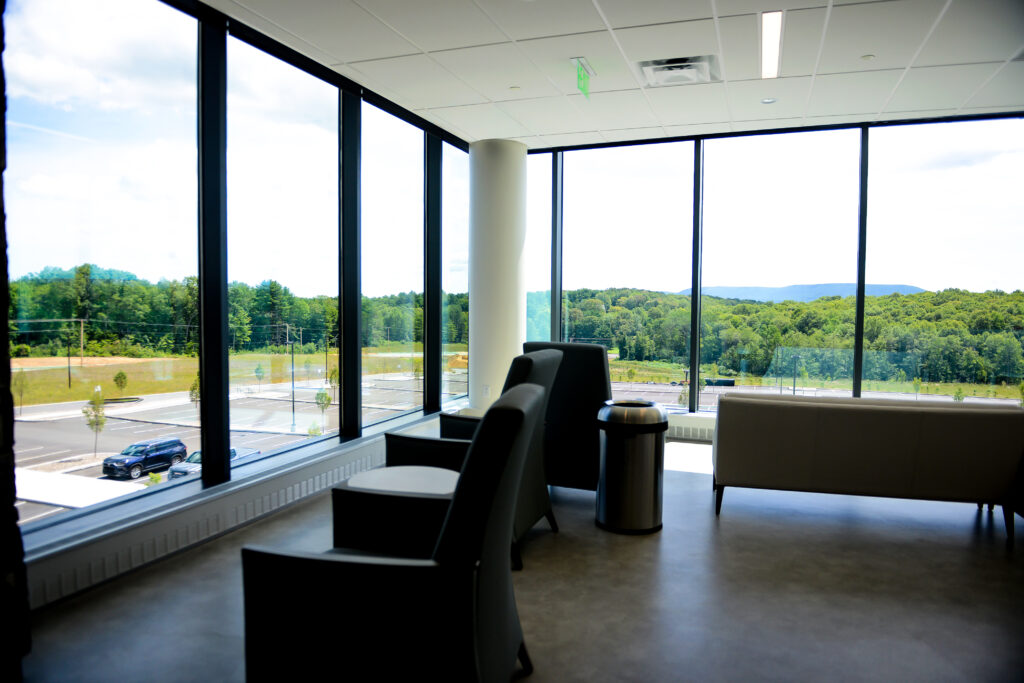
Inefficient windows are one of the most overlooked sources of energy loss in commercial buildings. The culprit is thermal transfer, the movement of heat through glass and frame from one side to the other. The higher that rate, the harder your heating and cooling systems have to work and the more you pay for it every month. Windows account for 25 to 30% of heating and cooling energy use in many commercial buildings.
At UPG, we work with commercial glass installation clients across Pennsylvania and the Mid-Atlantic region every day, and energy efficiency comes up in nearly every conversation. The type of glass you choose is very important, but how it’s installed matters just as much.
Why are your windows not performing?
- Air getting in (and out). Gaps around the frame or between the window and wall opening are just big enough to cause an issue.
- Sealing problems. Failed or missing weather stripping, sealant or flashing that lets moisture and air bypass the glass.
- Outdated. Is your window still a single-pane or in the 15-30 year age range?
- Thermal bridging. Metal frames or improperly installed framing systems that conduct heat directly through the assembly.
How does installation affect energy efficiency for windows?
The right fit. Fit matters more than most people realize. A window that’s even slightly off will let air creep in around the edges and that air is costing you money year-round. At UPG, we don’t start fabrication until we’ve taken accurate measurements and established a clear scope of work. It’s what ensures your windows seal tight, operate smoothly and hold up for the long haul.
The right sealant. Sealant is one of those things nobody thinks about until it fails. When it does, moisture finds its way in and moisture inside a commercial building means mold, rot and damage. Using the right commercial-grade sealant for the specific application and proper application technique is key.
The right glazing. Insulated glass units (IGUs) use two or three panes separated by a gas-filled space to slow heat transfer, keeping your building comfortable year-round. Pair that with a Low-E coating and you’re also blocking infrared heat and reducing solar gain, which means less work for your air conditioning in the summer. Double glazing is the right call for most commercial applications. If your building is in a harsh climate, is a high-rise, or noise is a concern, triple glazing offers a meaningful step in improved efficiency and, in some configurations, better acoustic performance. Modern commercial glazing systems are rated by U-factor and solar heat gain coefficient (SHGC), two metrics that measure how well a window resists heat transfer and solar heat buildup.
The right flashing. Flashing does critical work. Every window opening has potential entry points for water. Proper flashing seals those transitions and directs moisture away from the wall assembly.
When all four of these elements come together, the results are measurable.
A properly installed commercial glass system pays for itself over time and keeps your space stable and your systems from working overtime.
At UPG, we’ve been doing this long enough to know that cutting corners on installation isn’t a savings, it’s a deferred expense. Whether you’re replacing aging storefront glass with energy efficient windows, upgrading to a new curtain wall system or outfitting a new commercial build, we bring the same precision and care to every commercial window installation.
If you’re ready to stop losing money through your windows, our team is here to help. Contact us for a consultation on commercial glass installation and energy efficiency upgrades today.